History of Aerospace
Introduction
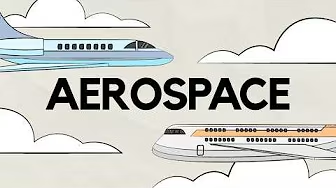
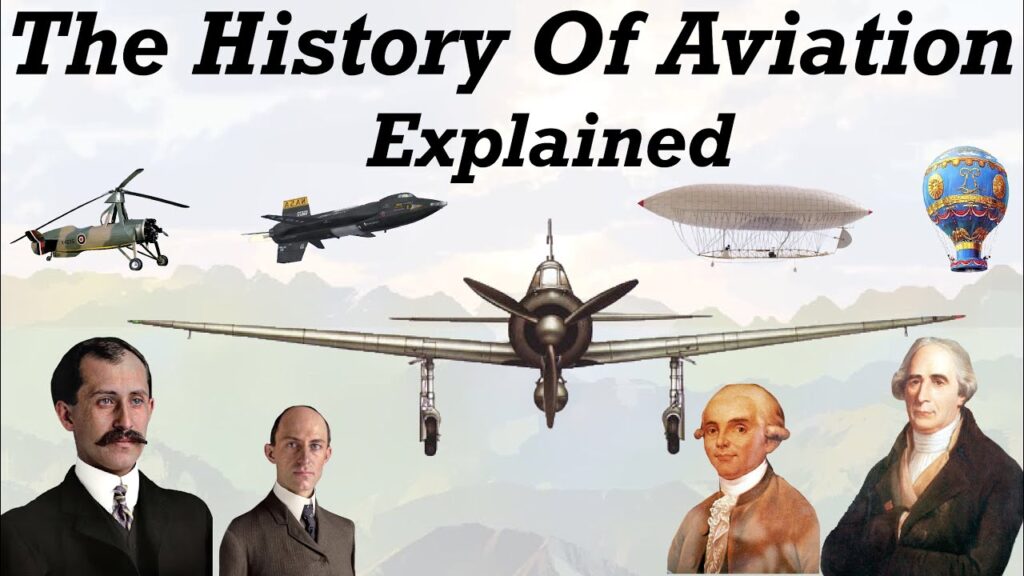
How did humanity transition from dreaming of flight to soaring through the skies and beyond? For centuries, the idea of flying through the air seemed impossible — yet visionaries and inventors dared to dream. From Leonardo-da-Vinci’s early sketches of flying machines in the 16th century to the Wright brothers’ historic first flight in 1903, — taking humanity from concepts to 7 seconds of airtime — and ultimately to the start of the space age in the mid-20th century, the history of aerospace is a story of relentless curiosity, discoveries, and technological leaps.
Objectives
- Understand the historical significance of key developments in unpowered flight and their impact on aviation history
- Analyze the principles of lift, control, and propulsion that emerged from early flight experiments
- Explore the evolution of flight technologies from ancient myths to modern aviation advancements
Turning Points in Aerospace History
Myth of Daedalus and Icarus (Ancient Greece)
- Symbolizes humanity’s early fascination with flight and the theme of ambition
- Daedalus created wings from feathers and wax, illustrating the quest for human flight
Leonardo da Vinci (1480)
- Introduced concept of lift and control through his sketches of an ornithopter
- Laid the groundwork for future aviation pioneers with innovative ideas about flight mechanics
Montgolfier Brothers (1783)
- Marked the dawn of human flight with the first manned hot-air balloon launch
- Demonstrated the potential for buoyancy and thermal air currents in achieving lift
George Cayley (1804)
- Established four forces of flight: lift, drag, thrust, and weight
- Built the first modern glider, laying the foundation for future aircraft design
Wright Brothers (1903)
- Achieved the first sustained flight, powered flight, revolutionizing aviation
- Introduced the three-axis control system, enhancing maneuverability and stability
Additional Resources
For Readers
Assignment
Assignment Overview
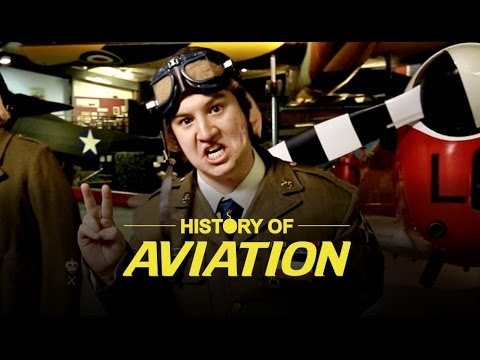
A presentation/poster answering the question “How has the evolution of aerospace technology shaped our world and what can we learn from its history to inspire future innovations?”